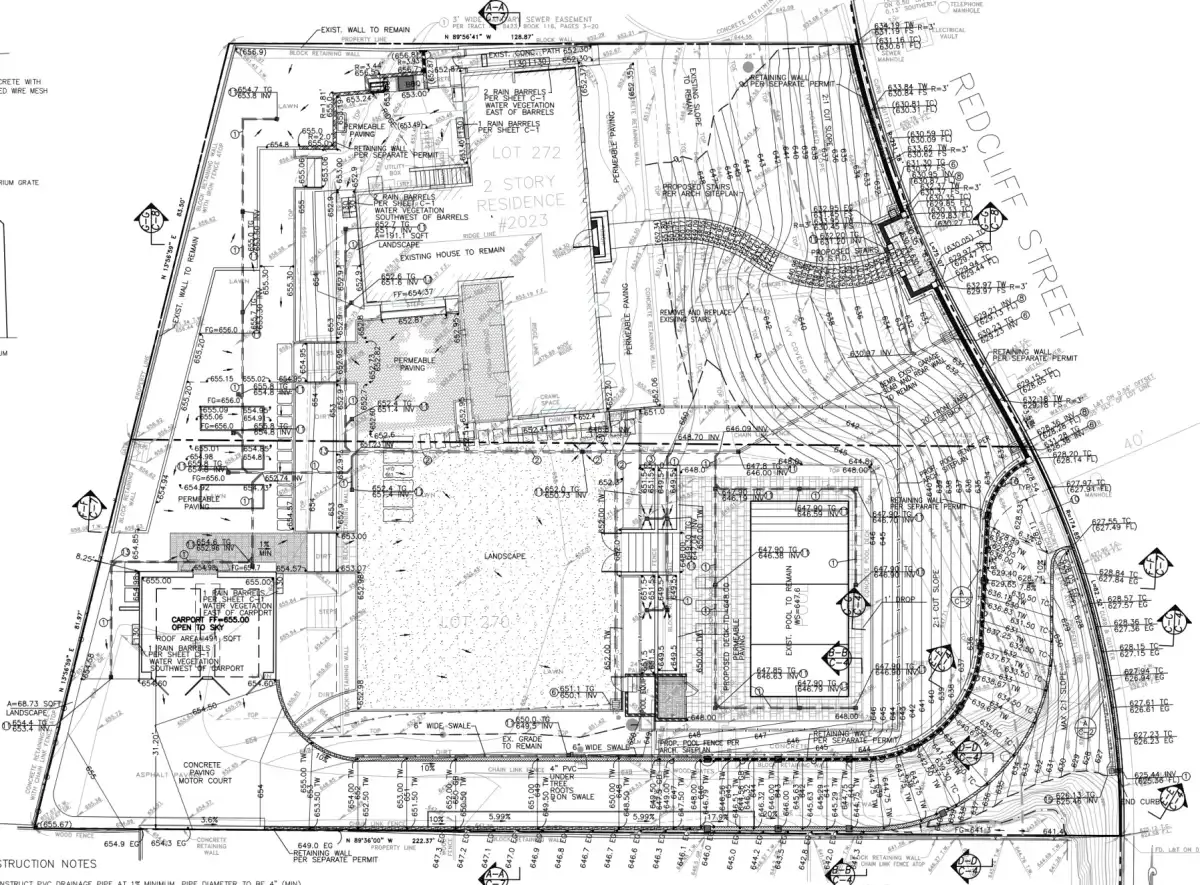
The Los Angeles Baseline Hillside Ordinance Explained: What Homeowners and Contractors Need to Know
The Baseline Hillside Ordinance controls how much you can grade on hillside properties in Los Angeles. Here is what the BHO actually says, what triggers it, and how the formula works.
Most homeowners and contractors hear the words “Hillside Ordinance” and glaze over. The Baseline Hillside Ordinance is one of those regulations that seems designed to be confusing. But if you are building on a hillside property in Los Angeles, understanding it matters, because it controls what you can build and how much it costs.
Here is what the BHO actually says, in plain terms.
What Is the Baseline Hillside Ordinance
The Baseline Hillside Ordinance is a section of the Los Angeles Municipal Code that regulates development on hillside properties. It was established to manage the environmental impact of hillside construction, limit excessive grading, and maintain the character of Los Angeles hillside neighborhoods.
The BHO controls several things: how much you can grade, how big your house can be, how tall it can be, where it must sit on the lot, and how tall your retaining walls can be. Of these, grading limits are usually the first constraint that bites on a hillside project.
When Does the BHO Apply
The BHO applies when your property falls within a designated Hillside Area. The City of Los Angeles determines hillside areas using slope. If your property has natural slopes of 15% or greater, based on USGS topographic data, it likely falls under the BHO.
You can check your property on ZIMAS, the Zoning Information and Map Access System maintained by the Los Angeles Department of City Planning. Look for the “Hillside Area (Zoning Code)” field under the Zoning tab.
The BHO Grading Formula
The BHO limits cumulative grading to 500 cubic yards plus 5% of your lot size.
Cumulative means total cut AND fill combined. Not net. If you cut 600 cubic yards and fill 300 cubic yards, your cumulative grading is 900 cubic yards. The BHO does not let you subtract fill from cut to arrive at a smaller number.
On a 5,000 square foot lot, your maximum allowable grading would be 500 plus 250 cubic yards, totaling 750 cubic yards.
On a 10,000 square foot lot, your maximum would be 500 plus 500 cubic yards, totaling 1,000 cubic yards.
Zone Caps Override the Formula
The BHO also sets maximum cumulative grading by zone. Regardless of what the formula produces, your grading cannot exceed these caps:
| Zone | Maximum Grading |
|---|---|
| R1 | 1,000 cubic yards |
| RS | 1,100 cubic yards |
| RE9 | 1,200 cubic yards |
| RE11 | 1,400 cubic yards |
| RE15 | 1,600 cubic yards |
| RE20 | 2,000 cubic yards |
| RE40 | 3,300 cubic yards |
| RA | 1,800 cubic yards |
These caps override the formula when the formula produces a higher number. So an R1 zoned lot of any size caps at 1,000 cubic yards, even if the formula would allow more.
When You Need a ZAD
If your project exceeds the BHO grading allowance, you need a Zoning Administrator Determination. The ZAD process involves an application to the Department of City Planning, a public hearing, and discretionary review. This adds months to your permitting timeline and significant cost.
The ZAD exists for projects that genuinely cannot fit within the standard limits. Maybe your lot is small and your house is large. Maybe your basement excavation requires more grading than the formula allows. The ZAD process gives the city a way to review these cases individually.
Grading Bonds
The BHO is separate from the grading bond requirement. A grading bond is required when your project involves 250 cubic yards or more of excavation or fill in a Hillside Grading Area. This is a separate threshold from the BHO formula and applies to the Hillside Grading Area designation, which is mapped separately from the Hillside Area zoning designation.
Your grading plans must be approved before the bond is posted.
What This Means for Your Project
The BHO grading limits are among the first things we look at when we review a hillside project. If your project exceeds the allowance, we need to know early, because it affects the entire design. A smaller house, a different foundation system, or stepping the building into the slope can all help reduce grading quantities.
For flat lots in Los Angeles, the BHO does not apply. But grading permits may still be required for certain work, and the 250 cubic yard bonding threshold still applies in Hillside Grading Areas.
If you are planning a project in a Los Angeles hillside area, get us involved early. We typically review a siteplan and survey, then run the earthwork numbers after putting a design together. This lets us tell you quickly whether your project hits the BHO limits and what options exist if it does.
For the full official requirements, LADBS maintains a grading permits page with current submittal requirements and procedures at the LADBS Grading Permits page.
Related Blog Post: When Does Your Los Angeles Project Need a Grading Plan?
Frequently Asked Questions
You Might Also Like

Los Feliz Grading
Looking at an interesting plan in Los Feliz with a slight addition and a nice ADU addon. At first glimpse everything is trying to be tied into the existing topography.
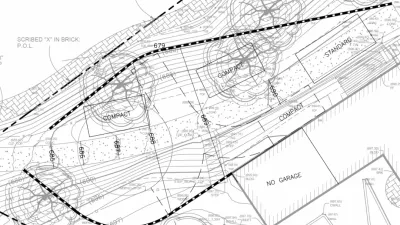
Silver Lake Hillside Driveway looking for Optimum Route
We were tasked with finding a clean driveway path so a car can drive up the driveway and turnaround in front of the house. The conditions are steep existing driveway and not much room.
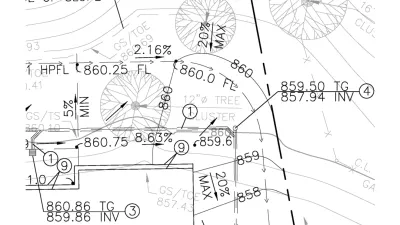
Hillside Grading and Drainage for Los Angeles Luxury Homes
Los Angeles iconic hills, from Bel Air to Malibu, are the backdrop for some of the city most stunning luxury homes. But building on these slopes requires expert hillside grading and drainage.